

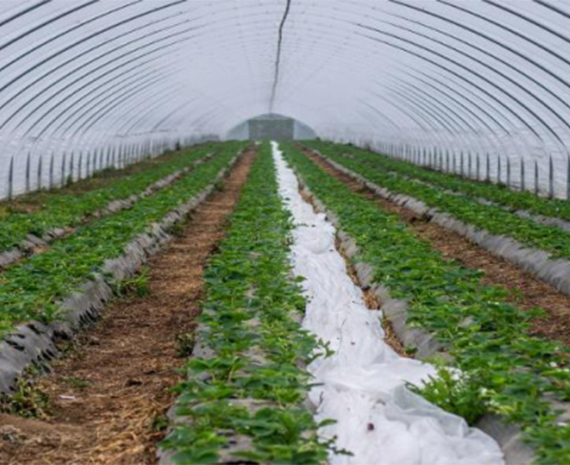
The Environment, Urbanism, and Culture policy of the Peace, Justice, and Development Party (PJDP) is committed to promoting sustainable development, improving urban infrastructure, and preserving Somalia’s rich cultural heritage. The policy focuses on environmental protection, urban planning, and fostering cultural diversity while ensuring that these areas are integrated into national development strategies to enhance the quality of life for all citizens.


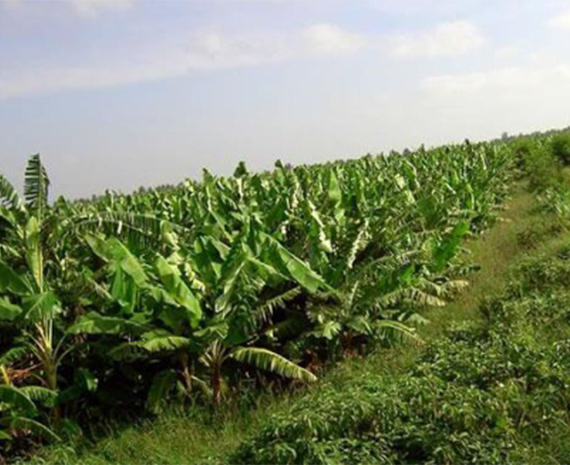
Introduction: Islam emphasizes the protection and preservation of the environment as part of its comprehensive approach to life. The Quran and Sunnah provide guidance on how Muslims should interact with the natural world, encouraging stewardship, sustainability, and respect for all of Allah’s creation. Islam teaches that the earth is a trust (amanah) given to humanity, and believers are accountable for how they treat it. Preservation of nature and avoiding harm to the environment are considered acts of worship and piety.
The Environment in the Quran (البيئة في القرآن)
The Earth as a Trust (Amanah): Allah has entrusted humanity with the responsibility of caring for the earth. Humans are considered stewards (khalifah) of the planet, and it is their duty to ensure its well-being.
Quran (33:72): “Indeed, We offered the Trust to the heavens and the earth and the mountains, but they declined to bear it and feared it; but man undertook to bear it. Indeed, he was unjust and ignorant.”
“إِنَّا عَرَضْنَا الْأَمَانَةَ عَلَى السَّمَاوَاتِ وَالْأَرْضِ وَالْجِبَالِ فَأَبَيْنَ أَن يَحْمِلْنَهَا وَأَشْفَقْنَ مِنْهَا وَحَمَلَهَا الْإِنسَانُ إِنَّهُ كَانَ ظَلُومًا جَهُولًا”
This verse highlights the responsibility humans have toward the environment, indicating that the earth is a trust given to us by Allah.
Do Not Corrupt the Earth: The Quran repeatedly warns against causing corruption (fasad) on earth, which includes environmental degradation and exploitation of natural resources.
Quran (7:31): “O children of Adam, take your adornment at every masjid, and eat and drink, but be not excessive. Indeed, He likes not those who commit excess.”
“يَا بَنِي آدَمَ خُذُوا زِينَتَكُمْ عِندَ كُلِّ مَسْجِدٍ وَكُلُوا وَاشْرَبُوا وَلَا تُسْرِفُوا إِنَّهُ لَا يُحِبُّ الْمُسْرِفِينَ”
This verse encourages moderation in the use of natural resources, warning against excess and wastefulness, which lead to environmental harm.
Quran (30:41): “Corruption has appeared throughout the land and sea by [reason of] what the hands of people have earned so He may let them taste part of [the consequence of] what they have done that perhaps they will return [to righteousness].”
“ظَهَرَ الْفَسَادُ فِي الْبَرِّ وَالْبَحْرِ بِمَا كَسَبَتْ أَيْدِي النَّاسِ لِيُذِيقَهُمْ بَعْضَ الَّذِي عَمِلُوا لَعَلَّهُمْ يَرْجِعُونَ”
This verse links environmental destruction with human actions, urging humanity to reflect on the consequences of their behavior.
The Balance of Nature (Mizan): The Quran speaks of the balance (mizan) Allah has placed in nature, and humanity is instructed not to disturb this delicate equilibrium.
Quran (55:7-9): “And the heaven He raised and imposed the balance, that you not transgress within the balance. And establish weight in justice and do not make deficient the balance.”
“وَالسَّمَاءَ رَفَعَهَا وَوَضَعَ الْمِيزَانَ أَلَّا تَطْغَوْا فِي الْمِيزَانِ وَأَقِيمُوا الْوَزْنَ بِالْقِسْطِ وَلَا تُخْسِرُوا الْمِيزَانَ”
This verse emphasizes the importance of maintaining the natural balance of the environment, urging humans not to disrupt it.
The Environment in the Sunnah (البيئة في السنة)
Planting Trees and Caring for Vegetation: The Prophet Muhammad (peace be upon him) strongly encouraged planting trees and caring for the environment. Acts of planting and cultivating are regarded as ongoing charity (sadaqah jariyah) in Islam.
Hadith (Sahih al-Bukhari): “If a Muslim plants a tree or sows seeds, and then a bird, or a person, or an animal eats from it, it is regarded as a charitable gift (sadaqah) for him.”
“ما من مسلم يغرس غرسًا أو يزرع زرعًا فيأكل منه طير أو إنسان أو بهيمة إلا كان له به صدقة”
This hadith emphasizes the immense reward for planting trees and the importance of providing for all living creatures.
Prohibition of Wasting Resources: The Prophet Muhammad (peace be upon him) discouraged wastefulness and overuse of natural resources, even in acts of worship. This principle applies to all forms of resource consumption.
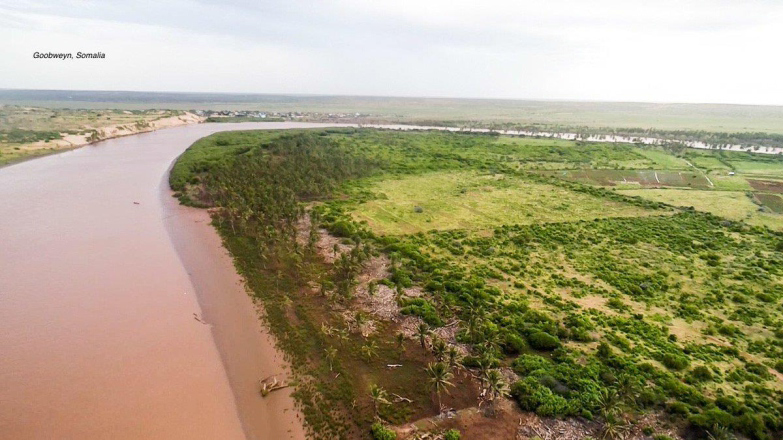
Hadith (Sunan Ibn Majah): “Do not waste water, even if you perform ablution (wudu) on the banks of an abundantly-flowing river.”
“لا تسرف في الماء ولو كنت على نهر جار”
This hadith teaches Muslims to be mindful of their water usage and to avoid waste, even when water is plentiful.
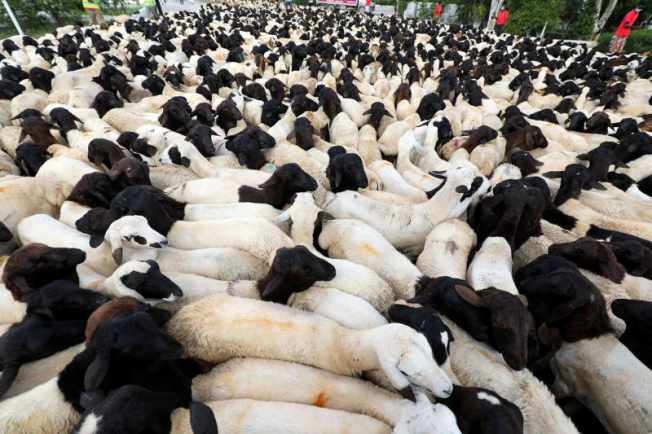
Kindness to Animals: Islam promotes mercy and kindness to animals, considering them part of Allah’s creation. The Prophet Muhammad (peace be upon him) condemned cruelty to animals and taught that caring for them is a form of worship.
Hadith (Sahih al-Bukhari): “A woman was punished in Hell because of a cat which she had confined until it died. She did not give it to eat or drink when it was confined, nor did she free it so that it might eat the insects of the earth.”
“دخلت امرأة النار في هرة ربطتها فلم تطعمها ولم تدعها تأكل من خشاش الأرض”
This hadith stresses the responsibility humans have toward animals and the prohibition of cruelty.
Conservation and Protection of the Environment: The Prophet Muhammad (peace be upon him) established environmental sanctuaries (hima) where the cutting of trees and hunting were prohibited. These sanctuaries were created to protect natural resources and promote conservation.
Hadith (Sahih Muslim): “The Prophet (peace be upon him) forbade the cutting of trees in a sanctuary.”
“نهى رسول الله صلى الله عليه وسلم عن قطع الشجر في الحرم”
This hadith demonstrates the Prophet’s proactive approach to conservation and environmental protection.
Reward for Environmental Care: Acts that benefit the environment and ensure its preservation are highly rewarded in Islam. Even small acts of kindness toward the environment are considered meritorious.
Hadith (Sahih Muslim): “Whoever revives barren land, it is for him, and any creature that benefits from it brings him reward.”
“من أحيا أرضًا ميتة فهي له، وما أكلت العافية منه فهو له صدقة”
This hadith encourages Muslims to cultivate and revive unused land, highlighting the spiritual reward associated with caring for the earth.
Conclusion (الخاتمة):
Islam provides a comprehensive framework for the protection and preservation of the environment. Both the Quran and Sunnah emphasize the importance of maintaining the natural balance, avoiding harm to the environment, and treating all of Allah’s creation with respect and care. Muslims are encouraged to be conscious stewards of the earth, practicing sustainability, avoiding waste, and promoting conservation. Acts of environmental care are seen as acts of worship, for which believers will be rewarded in this life and the Hereafter. By following these teachings, Muslims contribute to a healthier, more sustainable planet for future generations.