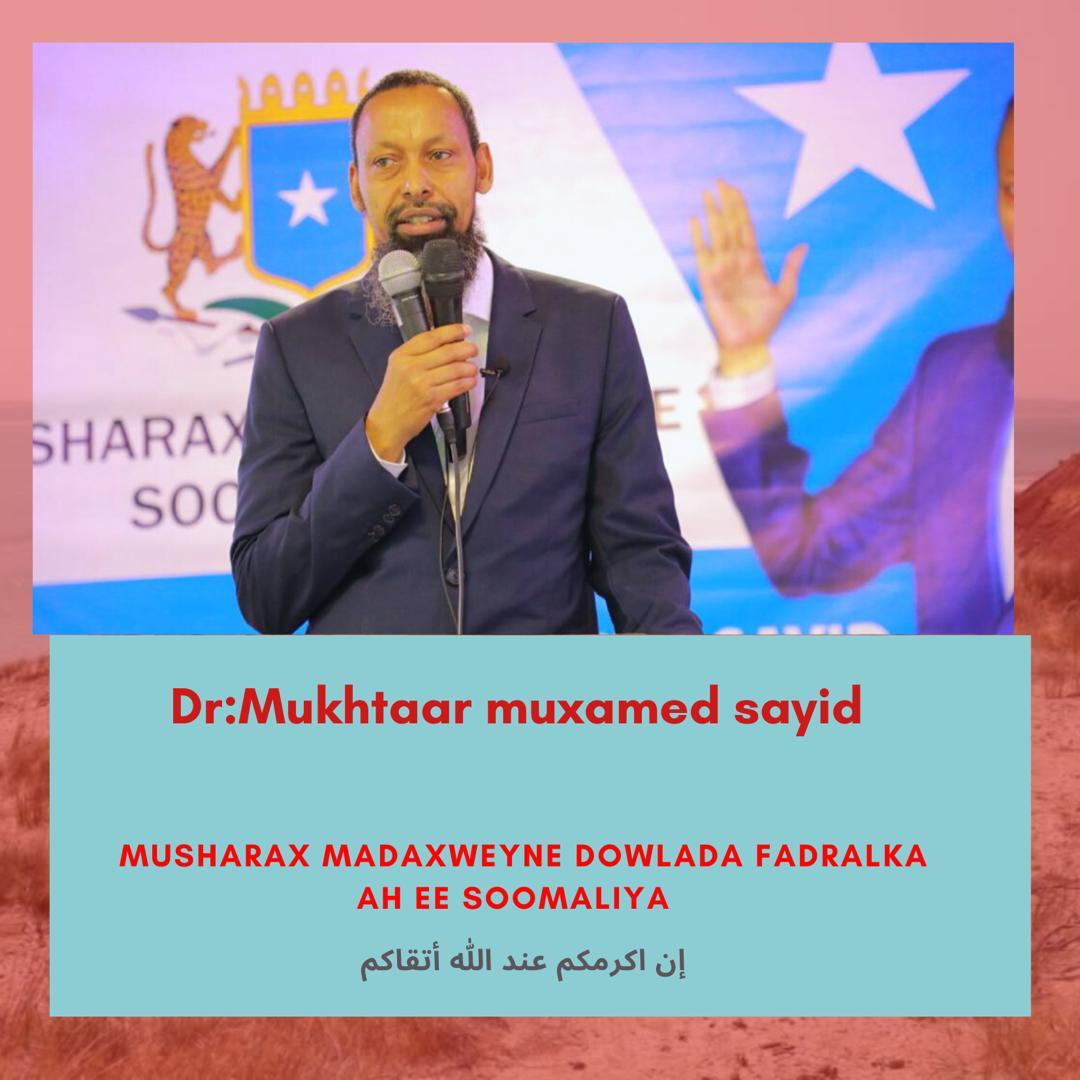
The Peace, Justice, and Development Party (PJDP) believes in building a government that is democratic, accountable, and focused on the well-being of all Somali citizens. The party is committed to reforming and strengthening governance structures to promote lasting peace, justice, and inclusive development.
Key Principles of PJDP’s Governance Vision:
Democratic and Inclusive Governance:
The PJDP is committed to ensuring that the government is representative of all Somali people, including marginalized groups such as women, youth, and minorities. The party promotes free and fair elections, transparency in governance, and an inclusive political process.
Federalism and Decentralization:
The PJDP supports Somalia’s federal structure, advocating for stronger collaboration between the central government and federal member states. The party believes that decentralization of power is key to ensuring equitable development and governance that is responsive to local needs.
Rule of Law and Justice Reform:
The PJDP places great emphasis on justice as a foundation for peace. The party is committed to reforming the judiciary to ensure it is independent, transparent, and accessible to all citizens. The government must uphold the rule of law, protect human rights, and combat corruption.
Strengthening Institutions:
The PJDP recognizes the need to build strong, capable state institutions that can deliver essential services to citizens. The party advocates for reforms in key sectors such as security, healthcare, education, and infrastructure to promote stability and development.
Peacebuilding and Conflict Resolution:
The PJDP is dedicated to fostering peace through dialogue and reconciliation. The party supports efforts to resolve conflicts through peaceful means and believes in building trust between different clans, regions, and political factions to ensure national unity.
Economic Development and Good Governance:
The PJDP’s vision for governance is closely linked to economic development. The party believes that transparent governance and accountability are critical to attracting investment, creating jobs, and building a prosperous Somalia. Good governance is essential for sustainable development.
Structure of Governance in Somalia:
Federal Government:
President: The president of Somalia is the head of state and is elected by parliament. The president represents the country and has the power to appoint the prime minister and cabinet.
Prime Minister: The prime minister is the head of government and is responsible for running the executive branch. The prime minister oversees the implementation of government policies and manages the cabinet.
Parliament: Somalia’s parliament is bicameral, consisting of the House of the People (Lower House) and the Senate (Upper House). Members of the House of the People are elected, while the Senate represents the federal member states.
Federal Member States: Somalia’s federal system includes several regional states, each with its own government and parliament. These states have autonomy in certain areas, while other powers are shared with the central government.
Regional and Local Governance:
Federal Member State Governments: Each state within the Somali federation has its own executive, legislature, and judiciary, responsible for managing regional affairs such as education, healthcare, and local security.
Local Governments: Local governance is critical to ensuring that citizens at the grassroots level have a voice in decision-making. Local governments are responsible for providing essential services and maintaining infrastructure in cities, towns, and rural areas.
Challenges to Governance in Somalia:
Security Concerns: Insurgent groups, particularly Al-Shabaab, continue to pose a significant threat to Somalia’s governance and stability. The government must prioritize security sector reform and work with international partners to combat extremism.
Corruption and Weak Institutions: Corruption remains a major issue in Somalia, undermining public trust in government institutions. The PJDP is committed to implementing anti-corruption measures and strengthening institutions to improve service delivery and governance.
Clan-Based Politics: Clan divisions have historically influenced Somali politics, often leading to conflict and inequality. The PJDP seeks to promote national unity and inclusivity, ensuring that clan divisions do not hinder governance or development.
Humanitarian Crises: Somalia faces ongoing humanitarian challenges, including food insecurity, drought, and displacement. Effective governance is needed to address these crises and ensure that citizens have access to basic services.
PJDP’s Roadmap for Good Governance:
Strengthening Democratic Institutions: Reforming the electoral system to ensure fair representation and transparent elections.
Building Capable Institutions: Investing in capacity-building for public institutions to improve service delivery.
Promoting Justice and Accountability: Ensuring that all citizens have equal access to justice and that leaders are held accountable for their actions.
Empowering Local Governments: Strengthening local governments to bring services closer to the people and improve governance at the grassroots level.
Advancing Peace and Reconciliation: Supporting peacebuilding efforts to create a stable and secure environment for governance to thrive.