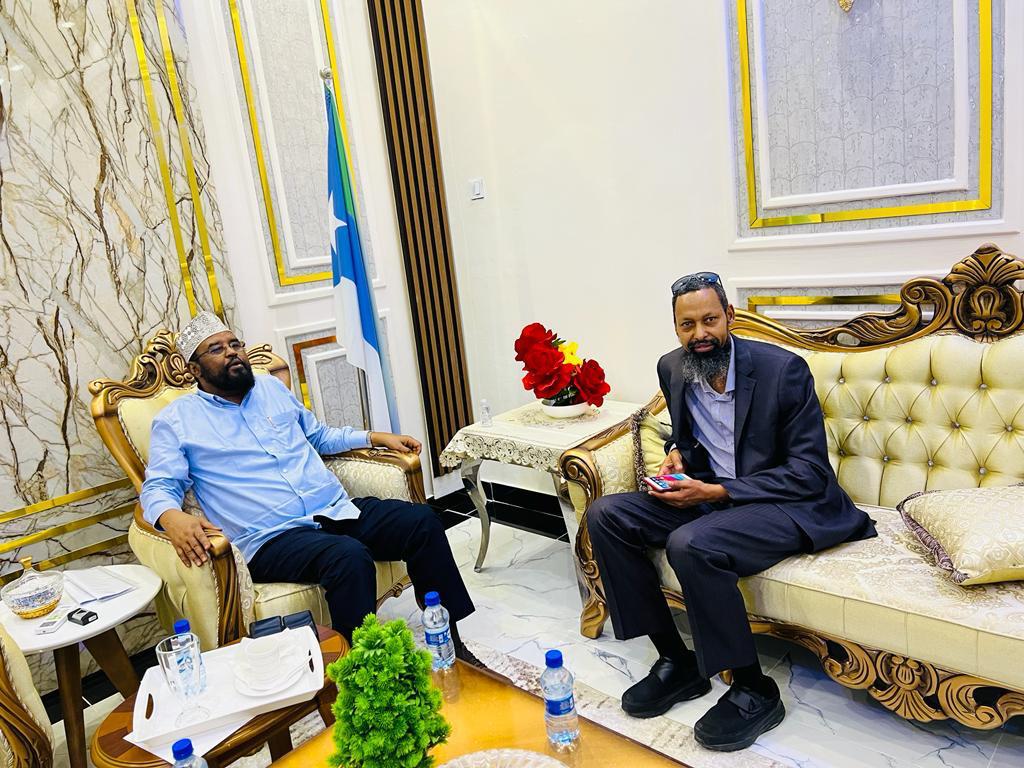
Central Decision and Executive Committee

Central Decision-Making and Executive Committee

Purpose

The Central Decision-Making and Executive Committee (CDEC) serves as the primary governing body of the Peace, Justice, and Development Party. Its main role is to provide strategic direction, make key decisions, and ensure the effective implementation of the party’s policies and initiatives.


Structure

  • Chairman: The Chairman of the party serves as the head of the CDEC, facilitating meetings and guiding discussions.
  • Vice Chairman: Assists the Chairman and steps in during their absence, ensuring continuity of leadership.
  • Members: Composed of key party leaders, including heads of various departments (e.g., finance, outreach, policy development) and elected representatives from different regions.

Responsibilities

Strategic Planning

  • Develop and approve the party’s strategic plans and priorities.
  • Assess and adapt strategies based on emerging political, social, and economic conditions.

Policy Development

  • Formulate party policies on key issues such as governance, justice, economic development, and social welfare.
  • Ensure that policies align with the party’s mission and values.

Decision-Making

  • Make critical decisions regarding party operations, resource allocation, and electoral strategies.
  • Establish guidelines for the party’s internal governance and conduct.

Oversight and Accountability

  • Monitor the implementation of party initiatives and evaluate their effectiveness.
  • Ensure accountability among party members and adherence to party values and regulations.

Membership Engagement

  • Foster communication between the CDEC and party members to ensure transparency and inclusivity.
  • Encourage feedback from members to inform decision-making processes.

Conflict Resolution

  • Address disputes and conflicts within the party, promoting unity and collaboration.
  • Facilitate dialogue among members to resolve differences constructively.

Meeting Protocols

  • Regular Meetings: The CDEC meets [frequency, e.g., monthly or quarterly] to review progress, discuss issues, and make decisions.
  • Special Meetings: Can be called as needed to address urgent matters or crises.
  • Minutes and Documentation: Detailed minutes are recorded for each meeting to ensure transparency and accountability. These minutes are shared with party members after approval.

Decision-Making Process

  • Consensus Building: Strive for consensus in decision-making, valuing input from all committee members.
  • Voting: If consensus cannot be reached, decisions may be made by a majority vote.
  • Emergency Decisions: In urgent situations, the Chairman may make executive decisions, which will later be ratified by the CDEC.

Conclusion

The Central Decision-Making and Executive Committee is vital for the effective governance and strategic direction of the Peace, Justice, and Development Party. Through collaboration, transparency, and accountability, the CDEC plays a crucial role in advancing the party’s mission and ensuring that it meets the needs of the Somali people.