Somali West: “Black Gold” Threatens Livelihood of Local Communities
 political
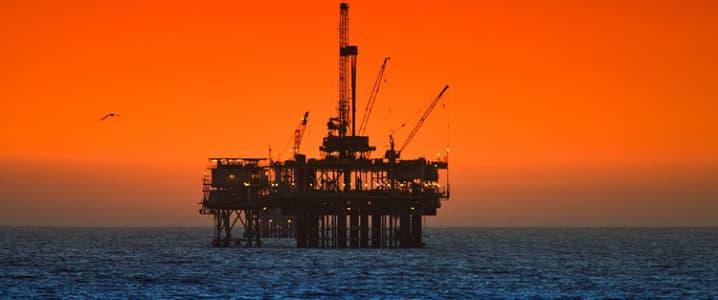
The Somali West Basin is an area of Huwan that may hold significant reserves of crude oil and natural gas. The basin covers an area of some 350,000 square kilometres (135,000 square miles) and is formed from sedimentary rocks up to 10,000 meters (6 miles) thick.
On June 28th [2018] Ethiopian government representatives, Somali Regional President Abdi Mohamoud Omar alongside Senior Executives of Poly-GCL Petroleum Group attended aninaugural ceremony of the first ever crude oil extraction tests in the Somali West Basin sparking outrage and concern among Somali communities globally.
Between 1950 and 1995, 43 wells have been drilled in the Somali West region and even more between 1995 and 2018. Corporations that have drilled include Tenneco Oil Exploration, Sinclair Oil Corporation and Soviet Petroleum Exploration Expedition (SPEE) among others. In the 1980’s, Soviet Petroleum Exploration Expedition confirmed the extensive gas reserves in Calub and Hilala estimated at 118 billion cubic meters. At Present, POLY-GCL Petroleum Group, a Chinese state-owned company has been awarded oil & gas exploration rights of some of the most promising blocks in Somali West. They have estimated the gas reserves in Calub, approximately 1,200km south-east of Addis Abeba and Hilala alone to be four trillion cubic feet. Petronas too, confirmed a 0.6 Trillion Cubic Feet gasreserve in Genale.
Throughout these discoveries, the Somali West region has remained a site of past and present resistance against oil and gas exploitation. Somali people living in the region have consistently demonstrated their opposition to the extraction of natural resources deeming these resources to be the very cause behind their continued oppression and marginalization. In 1945, when Haile Selassie embarked upon Oil exploration in the Somali West – the citizens of Wardheer organised a mass demonstration against Sinclair Oil Corporation to drive them out. The same spirit of protest is found among popular songs and literature recited in the region criticising the numerous roads paved by major corporations throughout the Somali West to facilitate their travels. One such song sung by Somalis contains the following lyrics: ‘waxuu uga jeedayba mooye, wallee Jarmalkii jid noo jeex’ roughly translating to ‘whatever their evil intentions, the Germans paved roads for us’ signifyinthge earliest forms of resistance against the 1959 roads built by Gewerkschaft Elwerath and the wider presence and practices of large oil corporations. The lyrics also shed light on the fact that the roads that have been paved were not intended to bring any gain to the Somali people belonging to the region. These major roads include lixirdoodka, afaridoodka and Quman between Qorahay and Doolo and others in Qabridahare, Wardheer Zone and around the Calub area.
Somali West National Liberation Front (ONLF) has represented both a physical and symbolic defense against the exploitation of the region’s natural resources. The organization’s June 28 press release touched upon the implications of future extraction particularly considering the long-standing conflict in the Somali West region. It firmly stated that ‘ONLF will not allow the exploitation of Somali West Natural Resources without a comprehensive just political settlement of the Somali West conflict’. The statement further criticized the structural barriers impeding the Somali region from attaining fundamental rights and meaningful political participation despite the recent election of Prime Minister Dr Abiy Ahmed which demonstrated a sense of hope for future reforms. Unilateral decisions administered from the center continue to shape policies and systems of governancei n the Somaliregion.
The question of whether the extraction of natural resources in the Somali West will bring prosperity to the region depends upon the political conditions under which it occurs and on whether the will of the Somali people is represented. The question of who representtshe will of the Somali people and why there have not been any processes of consultation with those indigenous to the land are critical issues which the Office of the Prime Minister has not yet addressed. Moreover, other considerations include the environmental implications and consequences for oil extraction especially in a region ravaged by war and instability for decades. Until a truly representative governing system is established and a peaceful political resolution to the Somali West conflict which has engulfed the Horn of Africa for almost a century is found, embarking upon Oil and Gas extraction without addressing the fundamental grievances of the Somali people sets avery dangerous precedent for future stability.
A state of emergency and blockade has been imposed on the Somali West region since 2007, and the areas mostimpacted have been those surrounding oil exploration sites.
After significant reserves of crude oil and natural gas were found in the 350,000 square kilometres Somali West Basin, areas around potential oil and gas reserves have been closed-off exacerbating the existing trade embargo imposed upon the region since
2007. In April 2007, ONLF launched an offensive against an oil exploration facility within the basin near Abole and Obala destrotyhe ifanciglit y and killing approximately 65 Ethiopians and 9 Chinese nationals in Abole. This resulted in a subsequent scorched-earth campaign policy against the region, the banning of international organizations and a record number of human rights violations committed by the Liyu Police and the Ethiopian military following that period.